Nobody wakes up thinking about their online reputation. You are too busy running your business, handling clients, and trying to grow. But here is what happens in the background while you are focused on all of that. People are searching for your name online. They are reading what others say about you. They are forming opinions before they ever pick up the phone or visit your website. And a lot of the time, you have no idea what they are finding.
That is where ORM comes in. And once you understand it, you will wonder how you ever ignored it for so long.
Let’s Start With the Basics
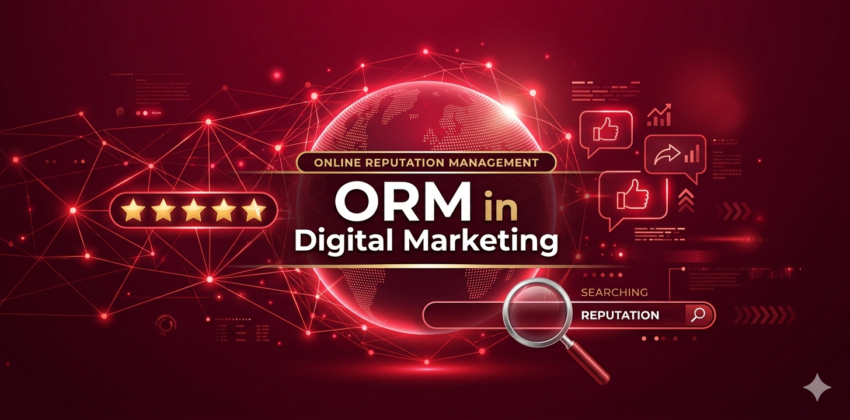
ORM means Online Reputation Management. But forget the technical definition for a second. In real life, ORM is simply about controlling the story people find when they look you up online.
When someone types your business name into Google, what shows up? Are the reviews mostly positive? Does your website appear first, or does some random complaint forum steal the spotlight? Is your social media giving the right impression? All of this, every single result and every single mention, is part of your online reputation.
Managing that reputation is not just a nice-to-have anymore. It is as essential as having a working website or a customer service team. The internet never forgets, and neither do your potential customers.
The Trust Problem Businesses Face Today
Here is something worth sitting with. A stranger can leave a one-star review on Google in thirty seconds, and that review can sit at the top of your search results for months. You may have served five hundred happy customers, but if three unhappy ones leave angry reviews and you do not respond, that is what newcomers see first.
People do not give brands the benefit of the doubt online. They scan, they judge, and they move on. Research shows that a large chunk of consumers decide whether to trust a business based almost entirely on what they find in the first few search results. You do not get a second chance at that first digital impression.
This is not meant to scare you. It is meant to make you take this seriously because ORM gives you real tools to fix this and stay ahead of it.
What ORM Actually Involves Day-to-Day
A lot of people hear “reputation management” and imagine some shady agency deleting bad reviews or flooding Google with fake five-star ratings. That is not what real ORM looks like. Ethical ORM is honest, strategic, and sustainable.
It starts with simply paying attention. You need to know when someone mentions your business online, whether that is on a review site, a social platform, a blog, or a news article. Setting up Google Alerts for your brand name is one of the simplest things you can do today, and it takes about two minutes. Tools like Mention or Brand24 go even deeper and pull mentions from across the web in real time.
Once you know what people are saying, you can actually do something about it. If someone leaves a negative review, you respond calmly and helpfully. Not defensively, not with excuses, but with genuine care. Other readers notice that. They see a business that takes accountability seriously and that builds trust even in the middle of a complaint.
Beyond reviews, ORM involves building up positive content around your brand. Blog posts that establish your expertise. A well-maintained LinkedIn profile. Press coverage that highlights your story. Social media that feels human rather than robotic. All of this content works together to shape what people find when they search for you, and it pushes down anything negative in the process.
The Connection Between ORM and Search Results
This is where ORM and SEO start shaking hands. When you search for a brand, Google does not just show you their website. It shows a whole ecosystem of content, review sites, social profiles, news articles, forums, and more. ORM is about making sure that the entire ecosystem tells a positive story.
If a negative article is ranking on page one for your brand name, creating and promoting enough strong content can eventually push it to page two, where almost nobody clicks. It takes time and effort, but it absolutely works.
This is also why maintaining active, updated profiles on platforms like Google Business Profile, LinkedIn, and industry-specific directories matters so much. These profiles rank well, and they are entirely in your control.
When Things Go Wrong
Even the best brands hit rough patches. A product fails. An employee does something embarrassing. A misunderstanding goes viral. These moments are stressful, but they are also where ORM proves its real value.
The brands that come out of a public crisis with their reputation intact are the ones that respond quickly, own the mistake honestly, and communicate clearly with their audience. Silence in a crisis is almost always worse than speaking up. People can forgive a mistake. What they struggle to forgive is arrogance or a complete lack of response.
Having a simple crisis response plan in place before anything goes wrong means you are not scrambling to figure out what to say when emotions are high and the clock is ticking.
ORM Is Not a One-Time Project
This might be the most important thing in this entire blog. ORM is not something you do once and forget. It is an ongoing habit. Reputations are built slowly and can be damaged quickly, which means you need consistent effort over time.
Check your reviews regularly. Respond to every single one, positive and negative. Keep your content fresh. Stay active on the platforms where your audience spends time. And keep monitoring what people say about you so you are never caught off guard.
The businesses that invest in ORM consistently are the ones that build the kind of trust that takes years and decades to develop offline, but can be accelerated significantly with the right online strategy.
Wrapping It Up
Your reputation online is not just a marketing concern. It is a business survival concern. The good news is that you have far more control over it than most people realise. ORM puts that control back in your hands so you can shape the story, respond to the noise, and give every potential customer a reason to choose you over everyone else.
Start small. Search your own name today. See what comes up. Then start making it better, one step at a time.
Frequently Asked Questions
What is ORM in digital marketing in simple terms?
ORM, or Online Reputation Management, is the ongoing practice of monitoring and shaping how your business appears across the internet. It covers everything from Google search results to customer reviews to your social media presence. The goal is to make sure that anyone looking you up online finds content that builds trust rather than destroys it.
Is ORM only for big companies or does it matter for small businesses too?
It actually matters more for small businesses in many ways. A large corporation can survive a handful of bad reviews because they have thousands of positive ones to balance things out. A small business with only twenty reviews cannot afford to let three or four negative ones dominate. ORM helps small businesses level the playing field and build credibility that would otherwise take years to establish.
How quickly can ORM make a difference?
Some things move fast. Setting up your profiles, responding to reviews, and fixing basic inaccuracies online can show noticeable improvement within a few weeks. Bigger challenges like pushing down a negative article that ranks well in Google can take anywhere from several months to a year of consistent effort. The earlier you start, the easier it becomes.
What is the single most important thing I can do for my online reputation right now?
Start responding to your reviews. All of them. A business that engages with its customers publicly, especially when addressing a complaint gracefully, signals to everyone reading that you are attentive, professional, and worth trusting. It costs nothing and the impact it has on how people perceive you is immediate.
Is ORM the same as public relations?
They share some overlap but they are different tools. Traditional PR is about managing your image through media, press releases, and communications, often with a focus on offline reputation. ORM lives entirely in the digital world. It focuses specifically on what search engines display, what review platforms say, and how your brand comes across on social media. Today many smart businesses use both together because your offline and online reputation feed each other constantly.